Pasture-Raised Eggs at 46 Ranch: 600 Hens on California’s Central Coast
There’s something unmistakable about a truly fresh egg. Crack one open, and the yolk is rich in color, rich in flavor, and deeply connected to the way the hens were raised.
At 46 Ranch in Templeton, our 600 pasture-raised hens spend their days outdoors on fresh pasture, scratching through grasses, pecking for bugs, and following the rhythms nature intended. It’s a slower, more thoughtful approach to farming, and one that fits naturally within our regenerative farming practices here on the Central Coast.
For us, raising hens isn’t just about producing eggs. It’s about caring for the land, improving soil health, and creating food that nourishes both people and the ecosystem around us.

What “Pasture-Raised” Really Means
At 46 Ranch, our hens rotate through pastures using mobile coops, which we move regularly across the ranch. This gives the hens constant access to fresh pasture while naturally fertilizing the soil behind them.
The mobile coop system is an important part of regenerative agriculture. As the hens scratch and peck, they help break down plant matter, distribute nutrients, and support healthier soil biology. In return, the pasture regenerates stronger and more resilient.
It’s a cycle that benefits the hens, the land, and ultimately the quality of the eggs themselves. From raising chicks in brooders to managing the pasture rotations today, the flock has become an important part of the ranch’s growing agricultural vision.
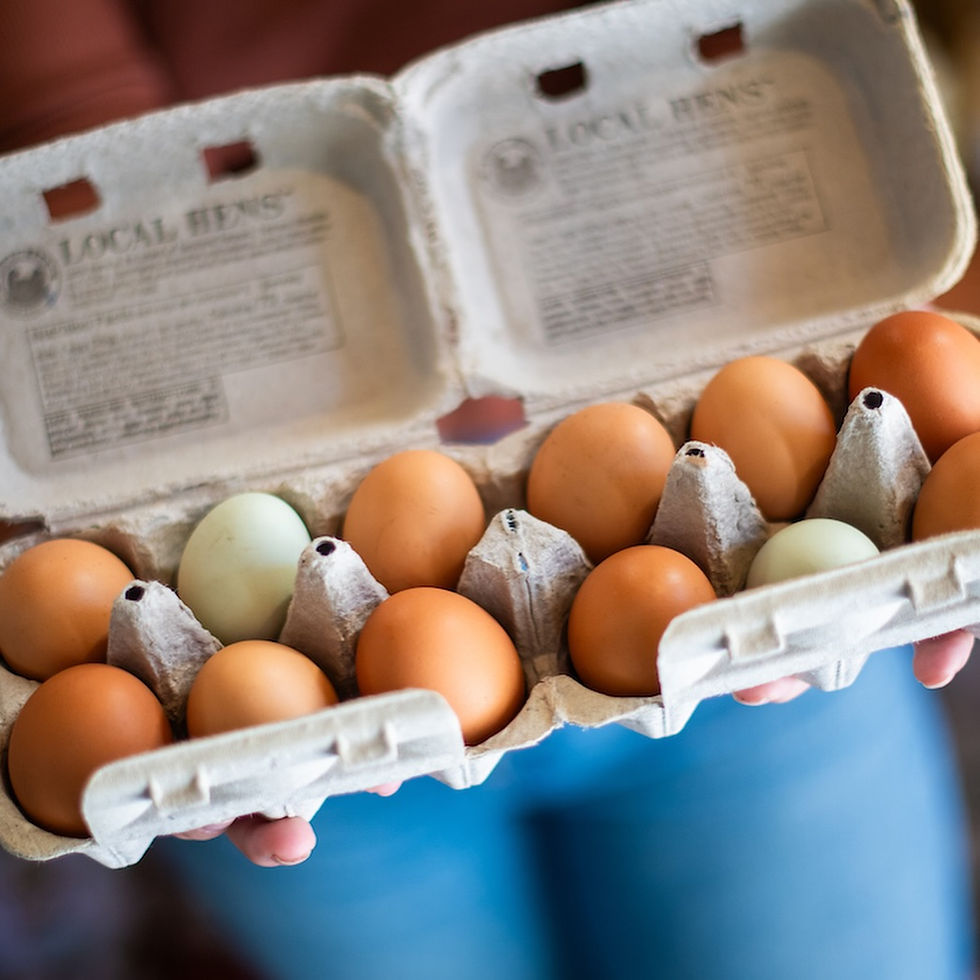
Take home a dozen of our hand-gathered, pasture-raised eggs when you visit the Cambria Nursery Farmstand.
Why Pasture-Raised Eggs Are Different
When hens have room to roam and forage naturally, the difference shows up in the eggs.
Pasture-raised eggs are often known for:
More vitamin D
Higher Omega-3 fatty acids
Richer, darker yolks
Fresh, full flavor
Stronger shells — thanks in part to calcium-rich oyster shells sourced from Morro Bay Oyster Company and fed to our hens as a natural mineral supplement (you can read more about that process in this blog post).
That deep golden color so many people notice comes from the hens’ varied natural diet of grasses, seeds, and insects. Healthy hens living outdoors produce eggs with incredible richness and character, something you can taste immediately.
But the benefits go beyond nutrition. Happy, healthy hens contribute to healthier pasture ecosystems. Their grazing patterns help support biodiversity, reduce waste concentration, and encourage living soil. In regenerative farming, every animal has a role to play.
Regenerative Farming Starts From the Ground Up
At 46 Ranch, the hens are just one part of a larger regenerative system taking shape across the property.
This month, we’re planting:
Pumpkins
Tomatoes
Squash
Kale
Lettuce
Each season brings new rotations, new crops, and new opportunities to build healthier soil. Alongside the planting season, our sheep are also preparing for their annual shearing, another sure sign of spring turning toward summer on the ranch.
The work changes month by month, but the goal stays the same: grow food responsibly while caring for the land long-term.
You can often feel the shift in the season out here before you even see it with warmer mornings, freshly turned soil, and the steady hum of activity as fields are prepared for another cycle of growth.

A Family Effort Rooted in Stewardship
46 Ranch is a multi-generational family ranch built around sustainability, agriculture, and community. From the gardens and orchards to the animals and pasture systems, every project reflects a shared commitment to thoughtful farming.
The goal is to create a productive and beautiful ranch centered around regenerative agriculture and local food systems. That philosophy carries into every carton of eggs and basket of produce grown here.
Where to Find 46 Ranch Eggs
Fresh, pasture-raised eggs from 46 Ranch are available just down the road at Cambria Nursery’s Farmstand, alongside seasonal produce supplied directly from the ranch.
Availability changes throughout the season depending on production and harvest schedules, but spring and summer are some of the most abundant months for both eggs and fresh fruits and vegetables. In the Farmstand, we feature seasonal vegetables, strawberries, citrus, stone fruit, avocados and more, all carefully grown through regenerative farming methods.
Whether you’re picking up eggs for a weekend breakfast or gathering ingredients for a farm-to-table dinner, supporting local regenerative agriculture helps keep these systems growing for future generations.