
The Bees Are Back: Why Pollination Season Matters
Each spring on California’s Central Coast, something remarkable begins to stir. As the days grow warmer, the quiet hum of bees returns to the fields and orchards. For farmers, gardeners, and anyone who loves fresh local food, this moment signals the start of pollination season, one of the most important times of the agricultural year.
At our 46 Ranch in Templeton, the return of honey bees means the land is waking up again. Flowers are opening, crops are going in the ground, and the long chain of connections between soil, plants, pollinators, and people begins another cycle.
The First Signs of Spring
Early spring on the Central Coast arrives gently. Cool mornings give way to sunny afternoons, and the first wildflowers begin to appear along the edges of fields and hillsides.
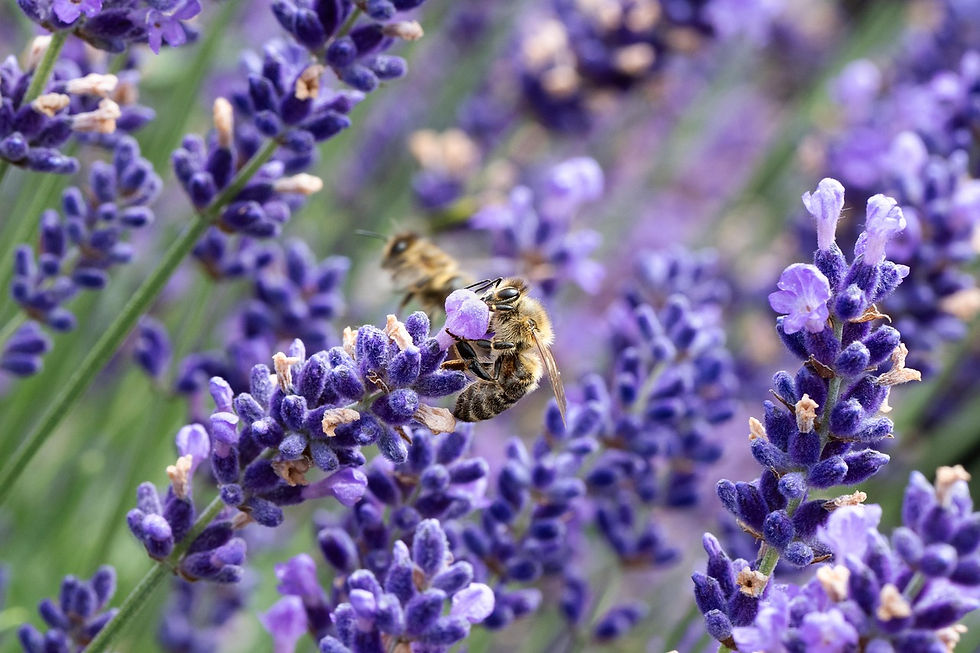
These early blooms are more than just beautiful. They are the first food source for bees emerging from winter dormancy. Nectar and pollen provide the energy bees need to rebuild their colonies after the colder months.
As bees travel from flower to flower collecting nectar, they move pollen between plants, fertilizing blossoms and allowing fruits and seeds to form. Without this process, many crops simply would not grow.
At 46 Ranch, those same pollinators help support the crops we grow and share with our community. Our fields produce seasonal vegetables, berries, citrus, stone fruit, squash, pumpkins, avocados, and pasture-raised eggs, all grown with regenerative practices that care for the soil and the land. You can find many of these fresh harvests throughout the season at Cambria Nursery Farmstand, just down the road.

Why Pollination Matters for Our Crops
Pollination plays a major role in many of the crops grown across the Central Coast. Berries, fruit trees, vegetables, and wild plants all depend on pollinators to reproduce.
Strawberries are a great example of how important pollination can be. Each strawberry begins as a single flower made up of many tiny parts that must be pollinated for the fruit to develop properly. The small “seeds” on the outside of the berry each form after one of those flower parts receives pollen.
When bees visit the blossoms, they move pollen across the flower as they collect nectar. The more evenly the flower is pollinated, the more evenly the berry develops. That’s why good pollination often leads to fuller, sweeter, and better-shaped strawberries.
When pollination is successful, we see stronger harvests and healthier crops. When pollinator activity is low, fruits can grow unevenly or fail to develop at all. This is why spring is such an important time on farms. The activity of bees during these few weeks helps shape the entire growing season that follows.

The Connection Between Flowers and Honey
One of the most fascinating things about honey is that it reflects the landscape where it was made. As bees gather nectar from wildflowers, orchard blossoms, herbs, and native plants, those flavors carry into the honey produced by the hive. The result is a taste that changes with the seasons and the blooms surrounding the bees.
Spring honey on the Central Coast often carries light, floral notes from early blossoms and wildflowers. Later in the year, honey may become deeper and richer as different plants come into bloom. In many ways, a jar of local honey is a snapshot of the landscape at a specific moment in time.
You can taste that story in the honey from our fields, made in collaboration with Sierra Honey Farm, a family-run California apiary known for caring for healthy hives and producing high-quality local honey. Partnerships like this are an important part of how we work at 46 Ranch. We love teaming up with local growers, makers, and agricultural experts who share our commitment to the land and to sustainable farming.
Harvested from bees that forage across the Ranch’s wildflowers and surrounding Central Coast blooms, this honey is floral, sunshine-bright, and full of the character of the place it comes from.

How You Can Support Pollinators on the Central Coast
Healthy farms depend on healthy ecosystems. That means supporting the pollinators that help crops thrive.
Planting pollinator-friendly flowers, protecting natural habitats, and practicing regenerative agriculture all help create environments where bees and other beneficial insects can flourish. These pollinators play a crucial role in maintaining both food production and ecological balance.
Planting the right flowers makes all the difference. If you need help choosing what grows best on the Central Coast, visit our sister property, Cambria Nursery, for expert advice and locally suited plants.
At 46 Ranch, the goal is always the same: work with the rhythms of the land and the life that supports it. When bees return each spring, their quiet work reminds us that farming is never just about what grows in the soil. It is about the living systems that make growth possible in the first place.
A Taste of Central Coast Spring
From the first wildflowers to the fruit that follows, spring pollination shapes life across the Ranch. At 46 Ranch, caring for the land means working alongside these natural cycles and thriving pollinators. Once a historic dairy, the ranch is now tended by the Winter family, who are restoring its soils through regenerative farming, pasture-raised livestock, and sustainable crops.
Throughout the season, our fields produce fresh fruits and vegetables, and our hens provide pasture-raised eggs, all grown with regenerative practices that help protect the land for the future. The same blossoms that feed our bees help support the harvests we share with our community.
If you’d like to experience a taste of the Ranch, visit Cambria Nursery Farmstand where you can find 46 Ranch raw local honey, pasture-raised eggs, and seasonal produce grown right here on the Central Coast.


